A Bharatanatyam solo on an international stage and a Garba circle at a neighborhood festival may look worlds apart. Yet both Indian dance types carry local histories into shared spaces, where audiences can meet them through rhythm, movement, and story.
India’s dance heritage includes classical forms shaped by long performance traditions and community dances tied to regional life. Global recognition can mean a UNESCO heritage inscription, a tour abroad, a film appearance, or simply more people knowing a dance by name. These kinds of visibility don’t mean the same thing.
Recognition can open doors for artists and communities. It matters most when performances also preserve context, credit teachers and musicians, and support the people who keep each form alive.
Indian dance types turn regional histories into shared stage language
Classical dance forms combine movement, music, gesture, and storytelling in distinct ways. Their training and stage conventions can help audiences follow a performance even when they don’t know the language.
Eight classical forms come from distinct regions
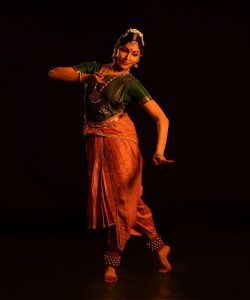
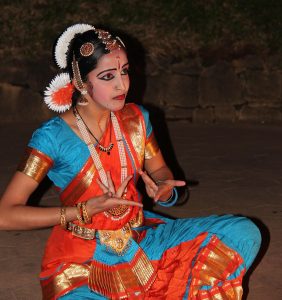
India’s Sangeet Natak Akademi recognizes eight classical dance forms: Bharatanatyam, Kathak, Kathakali, Kuchipudi, Manipuri, Mohiniyattam, Odissi, and Sattriya. Bharatanatyam grew in Tamil Nadu; Kathak developed across North India, with roots in storytelling and court performance. Kathakali and Mohiniyattam come from Kerala, while Kuchipudi is linked to Andhra Pradesh.
Manipuri comes from Manipur, Odissi from Odisha, and Sattriya from Assam’s Vaishnavite monastery tradition. Each has its own movement style, music, costume, and history. These eight forms are one part of India’s dance heritage, not a label for every Indian dance.
Gesture and rhythm help tell the story
Classical performances may use hand gestures, facial expression, rhythmic footwork, and song to convey character or emotion. A story might draw on a Hindu epic, a devotional poem, or another source, depending on the form and performance. Audiences can enjoy the movement without knowing every detail, but context can make the story clearer.
Translations, program notes, short demonstrations, and artist talks help bridge language gaps. A brief explanation of a gesture or story can give viewers a way into the performance without interrupting its flow.
Teachers and institutions support performance abroad
Gurus and trained teachers pass on technique, repertoire, and the values tied to a dance form. Schools and performance groups then bring that learning to stages in India and abroad. The Sangeet Natak Akademi supports the performing arts in India, while the Indian Council for Cultural Relations presents Indian arts through overseas cultural programs and centers.
These groups help create opportunities to teach and perform. The work of individual artists and local cultural organizations matters too; a tour or festival appearance often depends on years of teaching, rehearsal, and community support.
Folk and community dances show the range of Indian dance types
Folk and community dances grow from regional customs and shared events. They don’t follow one style or fixed set of rules. Some appear at festivals, while others change as communities move, work, and celebrate.
Regional dances connect movement to community life
Bhangra is linked to Punjab and harvest celebrations, though it also appears in stage shows and popular music. Garba is a circular dance from Gujarat, often performed during Navratri. Ghoomar, from Rajasthan, is known for group movement and turning skirts.
Lavani combines song and dance in a tradition associated with Maharashtra. Kalbelia dance and music come from the Kalbelia community of Rajasthan. These examples show the range of Indian folk dance; no single form can stand for all regions or communities.
UNESCO inscriptions recognize specific traditions
UNESCO added Chhau dance and Kalbelia folk songs and dances of Rajasthan to its Intangible Cultural Heritage lists in 2010. Garba of Gujarat was inscribed in 2023. These entries recognize particular traditions and the knowledge, skills, and community practices that sustain them.
An inscription isn’t a ranking of dance forms or proof that every audience knows a tradition. Many important dances have no UNESCO listing. The status also doesn’t replace the work of local artists and families who teach and perform these forms.
Community participation keeps dance alive
Festivals, family teaching, local performers, and community events pass dance between generations. Some dances also reach theaters, schools, and online audiences. Their setting may change, but the people who practice them continue to shape what they mean.
Traditions can adapt without losing all connection to their roots. Communities may change music, costumes, or staging as circumstances shift. Their voices should guide how those changes are described and shared.
Global recognition takes more than one form
The phrase “global recognition” can refer to heritage status, regular international performances, popular media exposure, or audience familiarity. These forms can support one another, but they aren’t interchangeable. A dance may be known to festival audiences without having formal heritage status.
Heritage lists bring visibility to living traditions
UNESCO’s Intangible Cultural Heritage lists draw attention to practices that communities pass on and continue to shape. Inscription can raise awareness, but it isn’t an award for artistic quality or a claim that a tradition is famous worldwide. The UNESCO entries for Chhau, Kalbelia, and Garba identify those specific heritage elements and their ties to communities.
For accurate dates and descriptions, check UNESCO’s official listings. The Sangeet Natak Akademi is a useful source for India’s recognized classical forms and arts institutions.
Diaspora groups build audiences across borders
Indian diaspora communities help sustain dance through cultural associations, classes, local festivals, and performances. Families and teachers may pass forms to children growing up far from the regions where those dances began. Community groups can also give local audiences a chance to learn about the dance from practitioners.
Indian cultural centers and arts festivals offer other routes to international stages. A performance becomes more meaningful when the program names the dance, its region, and the artists who present it.
Film and digital media widen exposure
Indian cinema and television have brought dance styles and movement inspired by them to viewers around the world. Online classes and short social media videos can introduce a form to people who have never seen it performed live. They can also create ways for teachers to reach students beyond their local area.
A brief clip, however, rarely shows a dance’s full history or setting. Viewers may mistake a film version for a traditional form, or miss its devotional or community meaning. Clear captions and links to the artists’ own work can add useful context.
International visibility brings opportunities and responsibilities
Tours, teaching, collaborations, grants, and commissions can help dancers earn a living and share their work. But greater exposure also raises questions about credit, cultural context, and who gets to speak for a tradition.
Visibility can create new paths for dancers
International festivals and arts venues can connect performers with new audiences and fellow artists. Teaching abroad may help a dance form reach new students, while collaborations can bring different performance practices into conversation. These opportunities work best when artists help shape the terms of the work.
Credit and context matter when dances travel
Presenters should name the dance form and region, then credit performers, teachers, musicians, and sources of material. Calling a performance “Indian dance” when its specific form is known can hide the skills and history behind it. Cultural exchange also works better when artists explain how they understand their own tradition.
Ethical programming supports artists and communities
Organizers can consult trained practitioners, pay artists fairly, and provide accurate program notes. They can also invite community voices into decisions about how a dance is presented. These steps help audiences learn from the people who carry the tradition, rather than treating it as decoration.
Readers can explore Indian dance with cultural context
You can start by attending a performance, joining a class, or watching an artist explain their work. A little research helps you recognize the form and the people behind it.
Choose sources that name the dance
Look for programs that identify the dance, its region, the performers, and the music. For formal claims, check UNESCO’s heritage listings or Sangeet Natak Akademi materials. Be careful with broad promotional terms such as “world-famous” unless a source explains what they mean.
Learn from practitioners and support living traditions
Take classes with trained teachers and attend community-led events when possible. Follow artists’ own accounts of their work, and support performances through ticket purchases or donations. These choices help sustain the teachers and groups who pass dance knowledge on.
Indian dance gains global recognition when visibility preserves its roots
India’s dance heritage includes classical forms and many folk and community traditions, each with its own history. UNESCO inscription is one kind of recognition; performances, diaspora groups, cinema, and online media create others. None alone measures a dance’s importance or the strength of its community.
International audiences can connect more fully when programs provide clear context and credit. Support the artists, teachers, musicians, and communities behind the work, then share what you learn. That’s how recognition can help a living tradition continue.