
A raga unfolds slowly in a concert hall, while an Indian film song flashes by on a global streaming playlist. Both can carry Indian musical traditions, yet they sound and work in very different ways.
Indian music includes classical, folk, devotional, film, and contemporary styles shaped by regions, languages, and communities. Migration, cinema, musical partnerships, and online platforms have carried these sounds across borders. Knowing a little about their roots can make familiar songs—and new discoveries—richer to hear.
Indian music is a rich collection of regional traditions
Hindustani and Carnatic music have distinct classical traditions

Hindustani classical music is associated mainly with northern India, while Carnatic music is rooted in the south. Both use concepts such as raga, which shapes melodic movement, and tala, which organizes rhythm. Their methods and performance styles differ, so these terms don’t mean exactly the same thing in every setting.
Folk and devotional music reflect local life
Folk music often accompanies harvests, weddings, seasonal festivals, work, and storytelling. Its sounds and words vary widely across regions and languages, tying songs to local histories and community identity. Devotional music also takes many forms across India’s religious traditions, from group singing to songs performed in worship.
Music brings communities together
Music can accompany dance, ceremony, worship, and social gatherings, not just staged performances. In Manipur, Sankirtana combines ritual singing, drumming, and dancing. UNESCO added this tradition to its Representative List of the Intangible Cultural Heritage of Humanity in 2013.
Indian music crossed borders through migration and media
Diaspora communities kept music in daily life
Migration helped Indian musical traditions take root far from South Asia. Families, temples, cultural groups, and community events created places to sing, play, dance, and teach younger generations. These gatherings also brought people with different backgrounds into contact with Indian music, inspiring new blends and audiences.
Recordings, radio, and tours widened access
Recordings let listeners hear Indian musicians beyond live performances and local communities. Radio, concerts, and cultural institutions later offered more ways to encounter these sounds, though access varied by place and time. As music crossed borders, listeners and musicians shaped its reception through their own tastes and ideas.
Ravi Shankar and George Harrison brought the sitar to wider attention
The sitar became more familiar to many pop listeners after it appeared on the Beatles’ 1965 song “Norwegian Wood.” George Harrison later studied sitar with Indian musician Ravi Shankar, whose teaching and performances introduced audiences to more than a single instrument. That attention raised interest, but hearing a sitar in a pop song was not the same as understanding Indian classical music.
Indian film music gave Indian music a global platform
Playback singing connects songs to the screen
In many Indian films, playback singers record songs that actors perform on screen. The music links lyrics, dance, story, and image, and can become a major part of a film’s appeal. Composers, lyricists, singers, musicians, and film industries all shape the result, which can range from classical-inspired pieces to pop and regional styles.
A. R. Rahman reached major international award stages
A. R. Rahman’s work on Slumdog Millionaire brought Indian film music to major international audiences. He won two Academy Awards at the 2009 ceremony, for original score and the song “Jai Ho,” and received Grammy Awards in 2010 for the film’s music. The soundtrack grew from a specific film collaboration; it doesn’t stand for every Indian tradition.
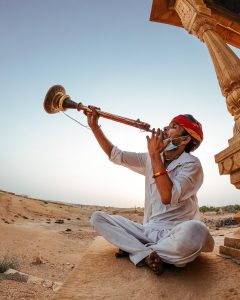
Film songs travel across generations and borders
Film music often passes between generations through family listening, dance, and shared favorites. Diaspora communities may use songs to keep ties with a language or place, while online sharing lets listeners find them far from the film’s original audience. A useful starting point is to explore by language or film industry, rather than treating every Indian soundtrack as one style.
Indian musicians have shaped global collaborations
Cross-cultural work needs shared credit
The Ravi Shankar and George Harrison connection made musical exchange visible to many pop fans. It also points to a key part of collaboration: Indian teachers and musicians brought knowledge that helped shape the sound and its reception. Giving credit to those artists makes the story more complete.
Shakti brought Indian and jazz musicians together
Guitarist John McLaughlin founded Shakti with Indian musicians, including tabla player Zakir Hussain. The group built a sustained collaboration, bringing jazz improvisation into conversation with Indian classical ideas and instruments. Its music grew through the musicians’ shared work, rather than reducing either tradition to a single sound.
Contemporary artists cross genre lines
Today, Indian artists work with sounds from pop, hip-hop, jazz, and electronic music. Sitar player Anoushka Shankar, for example, has released music that places Indian classical elements beside other styles. These projects can bring new listeners in, while clear artist credits and cultural context help audiences hear the exchange more fully.
Indian music reaches new listeners through digital platforms
Streaming helps listeners find regional and independent music
Streaming services, video sites, and social media make it easier to find music beyond major film releases. Playlists and recommendations can lead listeners toward regional artists, independent performers, and live recordings. They can also favor short clips or familiar hits, leaving less room for the full range of a performance.
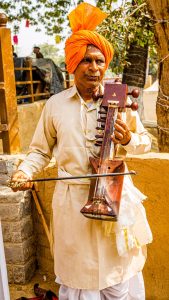
Diaspora listeners connect generations
Families and community groups often help younger listeners hear music in languages they may not speak every day. You can follow that path by searching for a region, language, instrument, or tradition, then branching out to related artists. This approach makes discovery more specific than a broad “Indian music” playlist.
Context and credit make listening richer
Check the names of the singer, composer, musicians, and tradition when that information is available. Artist interviews, album notes, and cultural institutions can add useful context to a recording. Give full performances a chance, too: a short clip may miss the way a raga or rhythmic cycle develops over time.
Conclusion
Indian music travels through classical and folk traditions, devotional practice, migration, cinema, collaborations, and digital media. Its global reach brings people together, but popularity alone doesn’t explain the histories and skills behind each sound. Start with a song you know, learn who made it, then follow its language, region, or musical roots. That small step can lead to a much wider world of listening.